
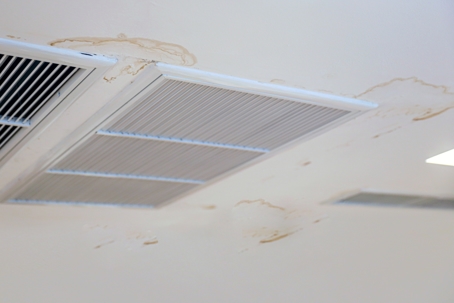
When you spot water pooling near your heater or find mysterious dampness in your home, it’s often a warning sign of a larger problem. In Vero Beach, heater leaks demand immediate attention due to unique local factors such as salty air and mineral-heavy water. Understanding the underlying causes, early warning signs, and the proper steps to take can make the difference between a simple repair and far-reaching damage. Drawing on our decades serving this community, our team at Colkitt Sheet Metal & Air Conditioning helps guide homeowners and businesses through every aspect of identifying, managing, and preventing heater leaks in Vero Beach.
What Causes Heater Leaks in Vero Beach Homes?
Heater leaks in Vero Beach homes can stem from several sources, including issues unique to the coastal environment. Corrosion ranks among the most common reasons, particularly given the area’s humid air and proximity to saltwater. This corrosion weakens metal tanks and fittings more rapidly than in other areas, making water heaters especially vulnerable. Traditional tank models often see leaks develop at the seams or from internal rust. Tankless and heat pump systems, which have become more prevalent, frequently develop leaks at fittings, seals, or where mineral buildup from hard water compromises connections.
Another significant cause is the failure or malfunction of pressure relief valves. These safety devices release excess pressure, but in Vero Beach, frequent mineral deposits and corrosion can cause them to leak continuously or malfunction entirely. Pipe connections leading to and from heaters are also subject to wear, sometimes cracking or bursting during pressure fluctuations brought on by seasonal use or sudden temperature changes.
Vero Beach’s water has higher mineral content, contributing to rapid sediment accumulation at the bottom of heater tanks or along internal components. Sediment acts as an insulator, raising the temperature inside the tank and forcing the heater to work harder. This extra strain can cause seals and tanks to crack. Salt air can also seep into garages or outdoor utility spaces, accelerating wear on heaters and causing leaks to arise sooner than expected for newer units.
How Can I Detect a Heater Leak Early?
Early detection of a heater leak can save you from extensive repairs and water damage. The first signs are often subtle—small puddles forming under the heater, rust stains at the base, or moisture that doesn’t dry in the utility area. You might notice puddling that returns even after cleaning, or rust-like discoloration on flooring and walls around the unit, which signals a persistent leak or slow seepage from a fitting or tank.
Another early indicator is a spike in water or energy bills. As a heater leaks, it works overtime to maintain water temperature, wasting energy and water with every cycle. Listen for hissing, popping, or crackling sounds from within the tank, which can indicate pressure buildup or sediment interfering with the heating element. Damp drywall, peeling paint, or a musty odor near the heater typically points to hidden leaks that may be saturating insulated areas or concealed pipes.
Regularly inspect the pressure relief valve and all pipe connections for steady drips or ongoing condensation. A valve that won’t stop dripping or fittings that are consistently damp often mean there’s an active problem. Catching these issues in the early stages allows you to intervene before costly damage occurs to floors, subflooring, and adjoining rooms.
What Should I Do Immediately If My Heater Starts Leaking?
When dealing with a leaking heater, quick action prevents water damage and maintains safety. Begin by turning off the power to your heater. For electric models, locate and switch off the dedicated breaker. For gas units, close the gas supply valve to prevent any risk of fire or explosion, especially if water spreads near electrical components or gas lines.
Next, shut off the cold water supply to your heater to prevent more water from entering the unit and worsening the leak. If standing water is present, use towels or buckets to absorb and contain it, minimizing damage to flooring and furniture. Move personal belongings away from the affected area and check for any nearby electrical cords or power strips in the water’s path. If water has reached outlets or exposed wires, do not enter the area—contact professionals for safe removal.
Document the situation by taking photos of the heater, leak area, and any visible damage. These photos are useful for insurance claims or discussions with your HVAC service. Then, contact a local provider like Colkitt Sheet Metal & Air Conditioning for professional assistance. Our team is available around the clock to help Vero Beach residents address heater leaks, offer step-by-step advice, and dispatch factory-trained technicians for in-person evaluation and repair when it’s needed most.
Can I Fix a Heater Leak Myself or Should I Call a Professional in Vero Beach?
Some minor heater leaks, such as those at a visible loose fitting or accessible pipe joint, can sometimes be tightened by homeowners. However, it’s critical to fully power down the heater and shut off the water before attempting any adjustment to avoid risk of electrical shock or burns. If the leak originates from the tank, pressure relief valve, or shows signs of corrosion, professional intervention becomes necessary due to the complexity and potential hazards involved.
In Vero Beach’s coastal climate, standard fixes often require tools or replacement parts designed for harder water and corrosion resistance, making them more challenging for DIY repairs. Repairing corrosion or addressing sediment buildup without the right expertise can lead to larger issues, such as voided warranties or unsafe operation. For heaters in older homes or those close to the ocean, improper repairs can worsen leaks or create new points of failure, as salt and moisture have already weakened many internal and external parts.
Calling a local professional ensures your heater is repaired appropriately and in compliance with local codes, especially as insurance companies may refuse claims for water damage if they believe a failed home repair contributed to the problem. At Colkitt Sheet Metal & Air Conditioning, our manufacturer-trained technicians assess leaks holistically, taking into account Vero Beach’s unique environmental factors to deliver repairs, replacements, or maintenance recommendations that help prevent recurrence.
How Do Vero Beach Climate & Water Conditions Affect Heater Leaks?
The coastal setting and subtropical climate of Vero Beach create unique challenges for heating systems. Salt-laden breezes from the Atlantic accelerate metal corrosion, including the seams, connections, and tanks of water heaters. Homeowners near the beach or in areas exposed to seasonal storms and high humidity notice that even newer systems can develop leaks much faster than anticipated. Frequent exposure to salt air can leave visible corrosion, pitting, or flaking on the unit’s exterior and compromise internal components as well.
Local tap water is often high in minerals, leading to quicker sediment buildup inside tanks and along heating elements. This buildup puts extra strain on the heater, increasing internal temperatures and pressure, and leaving components more susceptible to cracks and leaks. Sediment also reduces efficiency, making the heater work harder and wear out sooner. These conditions make routine flushing and inspection even more critical for Vero Beach property owners seeking to extend the life of their heating equipment.
Seasonal humidity, heavy rains, and storm-driven winds further increase moisture intrusion around pipes and electrical connections. Utility closets and garages in coastal homes accumulate moisture quickly, elevating the risk of concealed rust and unsupportive conditions. Given these realities, maintenance tailored to the region’s environment—like anti-corrosion measures and more frequent checks—is a smart long-term investment for any heater, regardless of age or manufacturer.
What Risks & Costs Can Occur If a Leaking Heater Is Ignored?
Ignoring a leaking heater can lead to escalating costs and serious damage to your home or business. Even a slow drip can fuel the growth of mold within walls, flooring, and insulation, compromising structural integrity and creating health hazards for anyone with allergies, asthma, or sensitivities. Over time, the moisture spreads, weakening subflooring and drywall, which then require extensive and expensive repairs.
Unaddressed leaks can create safety hazards as water migrates into electrical systems, potentially causing shorts, tripped breakers, or even fires if ignored long enough. Appliances nearby, including washers, dryers, or freezer units, may be damaged if exposed to persistent leaks. Business owners risk the safety of employees or the loss of critical inventory and records if heater leaks go unaddressed on commercial properties.
Most insurance companies want prompt action to mitigate damage. Delays can lead to denied claims or substantial out-of-pocket repair costs. Aside from property risks, a leaking heater drains energy and water, showing up as spikes in monthly bills and accelerating equipment failure, sometimes forcing full replacements instead of a simple repair.
How Much Does Heater Leak Repair Cost in Vero Beach?
Heater leak repair costs in Vero Beach vary based on the severity of the leak, heater type, and the local market for skilled service. Minor repairs, such as replacing a dripping valve or tightening a loose connection, usually cost a few hundred dollars. More complex leaks—particularly those stemming from the tank or areas damaged by corrosion—may lead to expenses ranging from several hundred to over a thousand dollars, especially if the heater requires partial or total replacement.
Secondary damage, such as water-soaked drywall, mold remediation, or electrical work, will increase the total cost. Properties that have experienced prolonged leakage, or that need specialty parts for newer or high-efficiency systems, may face higher bills due to ordering delays and added labor. Always factor in the cost of cleanup and any additional maintenance required to return the area to a safe and dry condition.
At Colkitt Sheet Metal & Air Conditioning, we provide free, written, no-obligation estimates for new heater installations and communicate openly about repair costs before we begin any work. We also educate clients on cost-saving strategies, such as preventative maintenance and system upgrades, which can reduce the risk of future leaks and improve overall efficiency.
What Maintenance Is Needed to Prevent Costly Heater Leaks?
The most effective way to prevent heater leaks is with a maintenance routine designed for Vero Beach’s unique environment. Schedule annual inspections by trained professionals who check for corrosion, sediment buildup, mineral deposits, and worn valves. Yearly flushing of heater tanks or heat exchangers removes sediment that can otherwise cause pressure spikes and internal cracks.
Regularly examine all connections, especially at the pressure relief valve and inlet pipes, for signs of ongoing moisture, scaling, or corrosion. Replace worn components promptly instead of waiting for a full failure to trigger a leak. If you notice that mineral deposits return quickly even after cleaning, consider adding a water softener or filtration system. These systems offer long-term protection by removing minerals that fuel sediment accumulation, prolonging heater lifespan and reducing maintenance costs.
Choosing a service provider who understands Vero Beach’s climate ensures recommendations and attention specific to your situation. At Colkitt Sheet Metal & Air Conditioning, we customize maintenance plans based on home construction, system usage, and exposure to the elements so that preventive care becomes a reliable, cost-effective habit, not just a reaction to urgent problems.
How Do I Know When to Replace Rather Than Repair a Leaking Heater?
Deciding between repair and replacement of a leaking heater depends on several factors. If your heater is nearly or beyond its typical lifespan—around 10 to 12 years for most tank models or 15 years for tankless designs—multiple leaks or recurring issues signal that the system is reaching the end of its usability. Repeated repairs or visible, spreading corrosion are strong indications that replacement will save money and disruption in the long run.
Vero Beach’s environment can further shorten heater lifespans due to harsh salt air, humidity, and mineral buildup. If repair costs approach half the price of new installation, or if the heater continually drives up utility bills through inefficiency, replacement becomes the more economical choice. Modern, energy-efficient models not only prevent repeated leaks, but also reduce energy and water consumption, lowering costs over time.
When considering your options, discuss your long-term comfort and budget goals with a provider who understands the specific requirements of living in Vero Beach. At Colkitt Sheet Metal & Air Conditioning, we provide clear, written estimates and transparent advice so you can make an informed, confident choice for your property’s unique needs.
What Should I Do During a Heater Leak Emergency After Hours?
Discovering a heater leak late at night or on a holiday is stressful, but prompt action protects your home or business. First, switch off power to the heater at the breaker or close the gas valve for gas-fired units, prioritizing safety above all else. If standing water covers a wide area, avoid wading through it—especially if outlets or electrical equipment are present—and keep everyone clear of affected zones until hazards are addressed.
Shut the water supply inlet to stop more water from entering the heater, then contain leaks with towels or buckets as best as possible. Move valuables to dry ground and take photos of all visible damage. Avoid any complex fixes—overnight emergencies often involve more hidden risks, including electrical exposure, than are obvious at first glance.
Contact a local HVAC provider offering true 24/7 response—like Colkitt Sheet Metal & Air Conditioning. Our team guides you by phone on immediate steps and dispatches trained technicians to handle the emergency, no matter the hour. This commitment ensures you never have to manage a dangerous leak alone, supporting your safety and comfort at all times.
Need a heater repair in Vero Beach? Call Colkitt Sheet Metal & Air Conditioning at (772) 672-3033 or send us a message online today.