
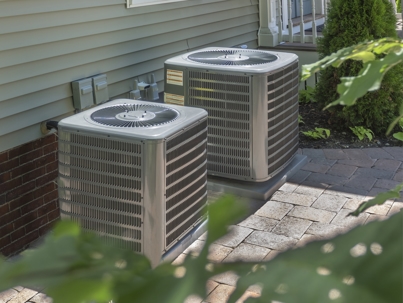
When temperatures cool down in Vero Beach, having a dependable heater ensures your home remains comfortable and inviting. Dealing with a heater that doesn’t work as expected—whether it won’t turn on, blows only cold air, or makes strange noises—can be a source of frustration and concern. Before you contact a professional, there are several practical steps you can take to troubleshoot heater issues safely. With our decades of service in the area, we want you to feel confident in handling minor problems and knowing when to reach out for professional support.
Why Won’t My Heater Turn On? Common Issues in Vero Beach Homes
If your heater is not turning on, start by checking the thermostat settings. Make sure it’s set to “heat,” and set the temperature above the current room temperature. For programmable thermostats, confirm the current schedule or replace the batteries. These thermostats sometimes lose power after an outage or incorrect battery placement, causing heaters to remain off. A blank thermostat screen usually means you should replace batteries or follow the unit’s manual for resetting instructions.
Next, inspect your home’s circuit breakers. Go to your electrical panel and find the breaker labeled “HVAC” or “furnace.” A tripped breaker often points to a minor power issue. Reset it by switching it completely off, then on again. Some Vero Beach homes also have a dedicated on/off switch near the heater that can be flipped accidentally. Confirm that all these controls are on before proceeding.
The local coastal environment poses unique challenges for heating systems. Salt and humidity can cause corrosion on electrical terminals and wiring, which are common reasons heaters struggle to start in the area. If you notice signs like rust or greenish mineral buildup around your unit’s electrical connections, don’t attempt any repairs yourself. Call a trained technician to assess and address the damage to avoid safety hazards.
What to Do When Your Heater Blows Cold Air Instead of Warm
If your heater runs but blows only cold air, first recheck the thermostat. For heat pumps, ensure the system is not stuck in air conditioning or fan-only mode. Try switching to an “emergency heat” setting if you have one, which can help warm your home during unusually chilly nights in Vero Beach. For traditional furnaces, look for indicator lights or error codes near the control panel, which may reveal ignition or pilot issues. Refer to your system’s manual for guidance or code explanations.
Dirt and moisture are common in Vero Beach due to the climate. Over time, these can coat sensors and flame rods in gas furnaces or heat pumps, causing them to malfunction and limiting warm air output. Homeowners can visually inspect for heavy dust with a flashlight but should leave cleaning or sensor repairs to professionals. If the system cycles on and off rapidly or defaults to fan-only mode, these are signs to schedule service—running the fan alone won’t solve the underlying problem and may cause unnecessary wear.
During colder periods, especially when outside temperatures drop below 40°F—rare but possible in Vero Beach—older or overloaded heat pumps may enter a defrost cycle or struggle to provide sufficient heat. If your system’s lights dim or it turns off and on frequently, there may be a sizing or age problem best addressed with a local technician familiar with the area’s climate. Upgrading your thermostat or planning for a supplemental heating solution may boost comfort during occasional cold spells.
How Replacing Dirty Air Filters Boosts Heating Performance & Air Quality
Clogged air filters are a top cause of heating issues and inefficient operation. When filters collect dust, pet hair, and pollen, they restrict airflow, making the heater work harder to maintain desired temperatures. To check your filter, stand near a heating vent with the system running. If airflow is weak, remove the filter and hold it up to the light. If little or no light passes through, or if the filter appears gray and heavy with dust, it’s time for a replacement.
Indoor air quality is closely tied to filter condition, especially in Vero Beach’s humid climate. Filters that trap too much moisture can promote mold or bacteria growth, leading to musty odors and more allergens in your home. Most homes benefit from replacing filters every 30 to 60 days. If your family includes pets, you’ve recently renovated, or your home is close to the beach, consider changing them more often. Mark reminders on your calendar or link filter changes to your utility bill cycle to stay consistent.
Selecting the right filter also matters. A higher MERV rating captures smaller particles but may restrict airflow if your system isn’t designed for it. Choosing the right balance of filtration and airflow keeps your energy bills manageable and extends the lifespan of your heater. If you’re unsure which filter works best with your system, ask a trusted local technician for recommendations based on your heater’s model and Vero Beach’s environmental factors.
What Unusual Noises from Your Heater Mean & When to Act
Heaters often make unfamiliar sounds that signal a developing problem. A rattling or clanking noise typically comes from a loose panel or an unattached screw inside the system, which can result from regular expansion and contraction during heating cycles. Inspect all visible screws and panels for tightness, but avoid opening sections that require removing covers over electrical or gas components. Ignoring rattles can allow further damage or conceal deeper mechanical problems.
Banging or booming at startup is more concerning. These sounds are usually associated with delayed ignition in gas furnaces, which may be worsened by salt air and humidity in Vero Beach. Rust or debris on burner components can restrict gas flow, leading to loud noises and even safety concerns. Only qualified technicians should inspect and clean burners or address ignition delays. Early intervention protects your unit and keeps your home safe.
High-pitched squealing generally points to worn blower belts or motors that need lubrication. In coastal environments, belts and moving components wear out faster due to added grit and moisture. Persistent squealing, especially if it increases over time, indicates the need for maintenance—continuing to ignore it can result in belt breakage and leave the system inoperable. Address these noises promptly for smooth and quiet heating performance.
DIY Heater Repair or Professional Help: How to Decide
Certain heater troubleshooting steps are safe for homeowners to handle. It’s generally fine to change filters, reset thermostats, or ensure breakers and service switches are on. Always switch off the system at the main control before opening any panel or removing a cover, as safety must come first. If you complete these steps and the problem continues, or if you encounter anything you’re unsure about, move on to professional assessment.
Persistent pilot outages, electrical malfunctions, or any sign of leaks from refrigerant or water lines require immediate attention from trained professionals. Attempting to perform advanced repairs without the right background risks injury, voiding warranties, or creating bigger system issues. Certified, factory-trained technicians have the experience and equipment to safely diagnose and address complex heating problems specific to Vero Beach homes.
Knowing when to call for professional troubleshooting prevents further damage and ensures lasting comfort. Local families trust the team at Colkitt Sheet Metal & Air Conditioning to handle their heating needs with care. As a family-operated business, we prioritize clear communication and efficient service, treating your home as if it were our own so you have peace of mind.
How Vero Beach’s Coastal Climate Impacts Heating Systems
Vero Beach’s unique climate places additional strain on home heating systems. Salt-laden air increases corrosion of metals and electrical components, especially for outdoor units or those exposed through open windows and doors. Combined with frequent humidity, this accelerates rust and component deterioration far faster than in inland locations, raising the risk of unexpected breakdowns.
High humidity in Vero Beach creates its own set of problems for heaters. Dampness can collect in ductwork and insulation, encouraging mold and mildew and increasing filter clogging after heavy rain or storms. Water stains, rust, or musty odors around your system often indicate moisture buildup or the need for more thorough maintenance.
Local HVAC service is essential for managing these conditions. Technicians familiar with the coastal environment know where to look for concealed damage and how to protect components that typically fail in seaside towns. At Colkitt Sheet Metal & Air Conditioning, our technicians conduct routine checks to identify and prevent issues caused by sea air and humidity, ensuring your system stays reliable throughout the mild Florida winter.
Preventive Heater Maintenance Tips for Vero Beach Homeowners
Preventive maintenance is the best way to keep your heating system reliable in Vero Beach’s challenging environment. Regular filter changes are essential, but comprehensive protection goes further. Schedule full system inspections and cleanings at least once a year, preferably before cooler months arrive. This allows for early identification of corroded contacts, worn-down belts, and any salt or sand accumulation.
Control humidity inside your home to prevent damage to electrical boards and ductwork. Use a dehumidifier or your HVAC’s “dry” mode on humid nights, and check your attic or crawl space after storms for water intrusion or insulation damage. Proactively spotting these issues prevents expensive repairs and preserves your indoor air quality.
Building a relationship with a trusted, local HVAC company helps ensure your heater receives maintenance tailored to the area’s needs. At Colkitt Sheet Metal & Air Conditioning, we have served the Vero Beach community since 1970. We offer in-depth assessments and prioritize maintenance steps that address the realities of life on the coast. This dedicated care helps keep your home warm and your HVAC system dependable for years to come.
How to Make Your Heater More Energy Efficient & Cut Heating Costs
Improving your heater’s energy efficiency not only lowers monthly bills but also keeps your home more comfortable during the winter. Simple steps start with routine filter changes and making sure all windows, vents, and doors are sealed properly to prevent heat loss. Installing a programmable or smart thermostat lets you customize heating schedules based on daily routines, so your heater runs only when needed.
Proper insulation in attics, crawl spaces, and ductwork makes a significant difference, especially in older beachside homes. By keeping warm air indoors and minimizing drafts, insulation reduces the load on your system and keeps your home cozy even on chilly evenings. If you’re considering a system upgrade, high-efficiency heat pumps designed for Vero Beach’s climate can provide heating and cooling in one, saving both energy and space.
Ask your technician about local utility rebates or incentives for energy-efficient upgrades. At Colkitt Sheet Metal & Air Conditioning, we help homeowners make informed choices about improving their system’s performance while preserving comfort in the face of unpredictable Vero Beach weather. Energy efficiency should enhance—not compromise—your daily comfort, and the right solutions deliver benefits all winter long.
If you ever feel uncertain about your next step in heater troubleshooting, seeking guidance from a trained professional is a smart move. Contact us at (772) 672-3033—the local team at Colkitt Sheet Metal & Air Conditioning is always ready to help, no matter the time or season. For families across Vero Beach, your comfort and safety are our family’s number one priority.